Identity
Full name, middle name, alternate spellings, date and place of birth, hometown, and service or serial number if known.
A practical military family-history guide
A veteran’s unit can connect a name and photograph to locations, campaigns, reports, maps, and the larger history the person lived. The search works best when you collect the family’s clues before opening an archive catalog.
Step 1
Small details can separate the right veteran or unit from hundreds of similar records.
Full name, middle name, alternate spellings, date and place of birth, hometown, and service or serial number if known.
Branch, component, rank, enlistment or induction date, discharge date, occupation, and overseas dates.
Company, battalion, regiment, division, group, squadron, ship, or station—copy the wording exactly as it appears.
Discharge papers, envelopes, photographs, captions, patches, medals, newspaper clippings, letters, and remembered place names.
Step 2
A personnel file concerns the individual veteran. Unit records concern the organization and may describe movements, operations, assignments, and events without naming every soldier.
Requesting an Official Military Personnel File is a useful starting point, but the 1973 National Personnel Records Center fire destroyed many Army and Air Force files. A missing personnel file does not always end the search; alternate sources may preserve parts of the service story.
Step 3
Army morning reports can record day-to-day personnel changes such as assignment, transfer, hospitalization, or return to duty. Unit rosters can help place a person within an organization for a period of time. Availability varies, and these records are not the same as a complete personal service file.
The National Archives currently identifies Army morning reports and unit rosters dated 1912–1959 as archival records. Access procedures can change, so check the official instructions before planning a visit or hiring an independent researcher.
Step 4
What this process can reveal
A confirmed unit and date range may help connect a veteran with training, movements, campaigns, duties, or locations. That context can explain the words on a discharge paper and give descendants a clearer path through the evidence.
A note about accuracy
A unit’s presence at an event does not automatically prove that every member was personally there. Use individual evidence and unit history together, and label uncertainty honestly.
Turn research into a keepsake
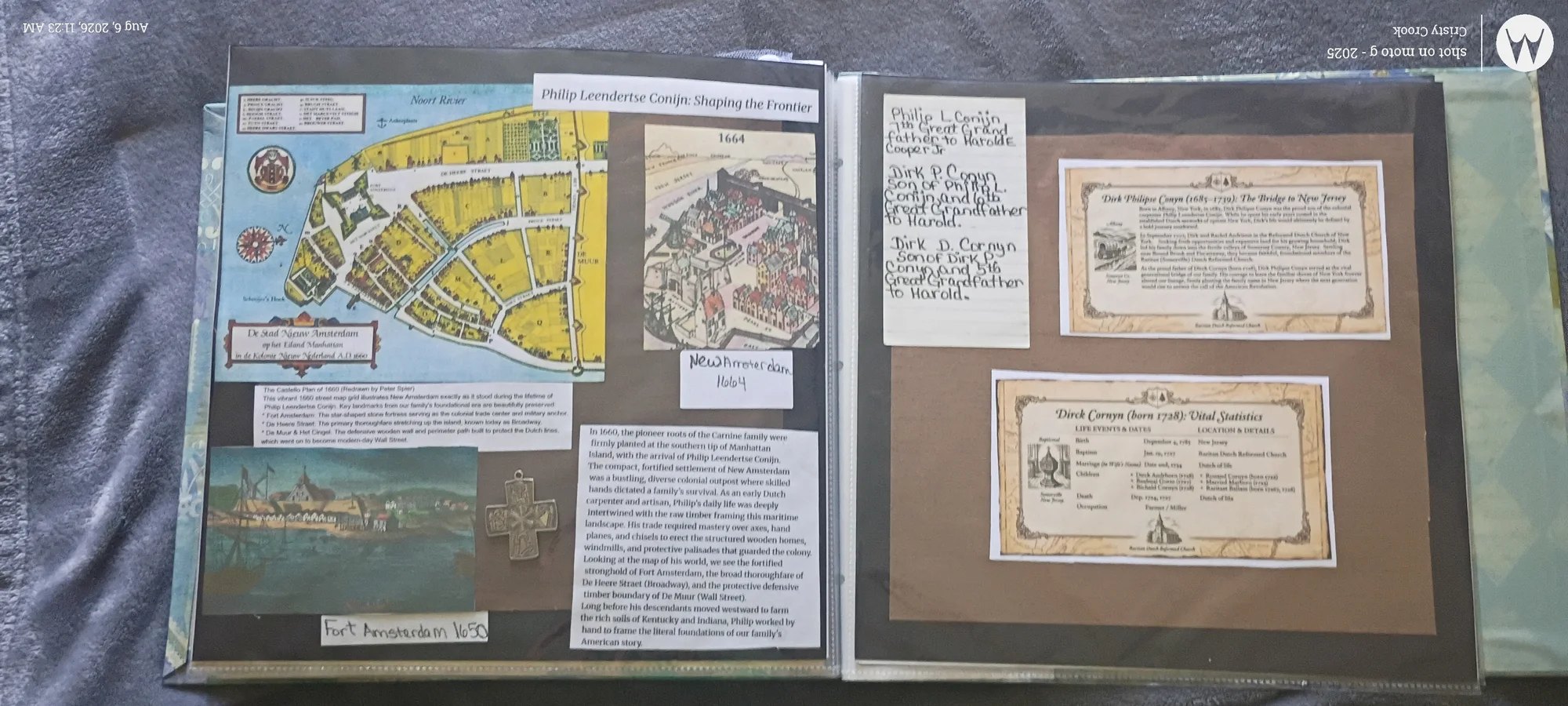
See how Patrick and Cristy combine supported research, family material, maps, timelines, and handcrafted pages in a custom military scrapbook.
Tell Us About Your Veteran